Indusind Bank Net Worth: CEO Name and Head Office Location
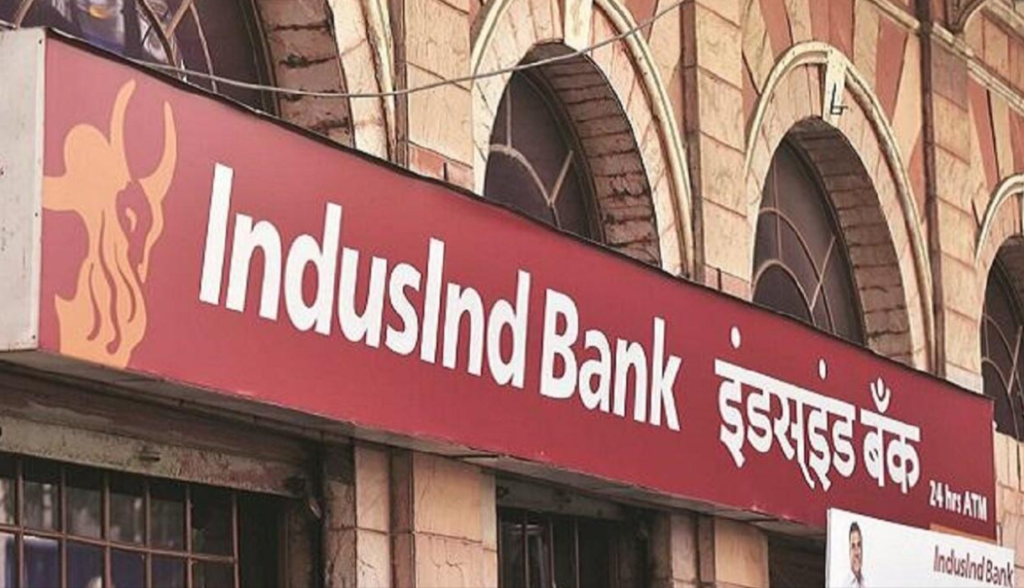
Indusind Bank Net Worth
Indusind Bank might not be the largest in the market however it does play significant influence on the overall banking landscape of the country, despite the fact that not many people are aware of this bank. We’re here to fulfill our obligation to briefly introduce you and inform you about details such as Indusind Bank’s Net Worth the Head Office, CEO, and many more.
| Name of the bank | IndusInd Bank Limited |
| Year of establishment | 1994 |
| Head Office | Mumbai, Maharashtra |
| CEO Name | Rajiv Anand (MD & CEO) as of August 25 2025. |
| Net worth 2025 | Rs64,492.58 crores |
| Total revenue | Rs56,351 crore |
Bank Profile
The bank had been in operation since 1994, but it decided to go with a formal approach and began official operations on the 17th of April in the year. The initial inauguration was conducted in the name of Hinduja Group, and it was Dr. Manmohan Singh, who was the Finance Minister of the day in charge of the official inauguration. IndusInd was therefore among the first private banks that came into India following the economic liberalization. The main office of the bank is in One Indiabulls Centre, Senapati Bapat Marg, Mumbai, at the heart the financial center of India.
Net Worth (And Market Capitalization)
Based on market data that is live The market capitalization of IndusInd Bank is approximately Rs59,050 at the time of writing on 22nd October 2025. You’re probably searching for that elusive net worth, right? So, we’ve completed the task for you. As in the calculations of the most recent figures, the figure is around Rs64,492.58 crores.
Recent Updates and Outlook
When the CEO of the previous administration quit in the early 2025’s In early 2025, the RBI established the committee for an interim time to oversee daily operations. The short-term solution was put implemented until appointment of Rajiv Anand as CEO in August 2025.
In October 2025 the bank reported negative results for its Q2 FY26. The negative results were due to an increase in provisioning for its microfinance division as well as a drop in treasury earnings. The management stated that the temporary problems result from an effort to clean up the mess that is designed to create an even stronger and stable balance sheet that will allow for future growth.
About The Author